

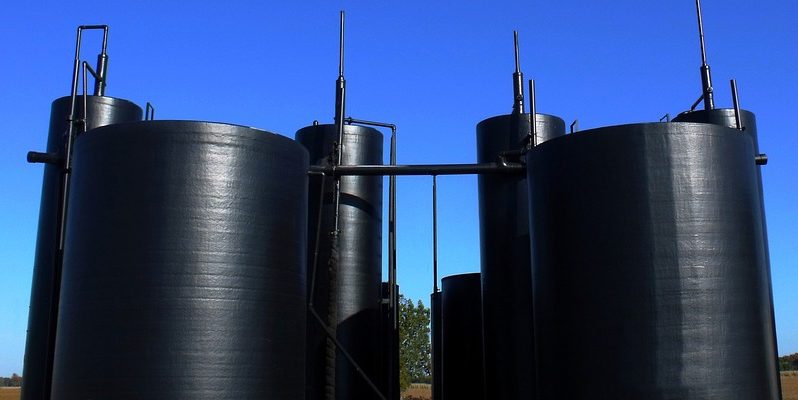
The Ecopetrol Group and the German Development Cooperation (GIZ) have signed a strategic alliance. Together, they will develop feasibility and engineering studies for a new green energy project. Both partners plan to install a pilot plant for sustainable synthetic aviation fuel (e-SAF) at the Cartagena Refinery (Reficar).
The agreement kicks off with an initial analysis phase. The German Federal Ministry for Economic Affairs and Climate Action is funding this opening stage. It will run for the first 24 months. Ultimately, the study aims to evaluate both the commercial and technical viability of e-SAF in the Colombian Caribbean.
Technical feasibility for an Ecopetrol synthetic fuel
The partners chose Reficar’s infrastructure for its logistical benefits and proximity to Ecopetrol’s “Coral Project.” Engineers designed this nearby initiative to produce up to 800 tons of green hydrogen annually. Under this cooperation agreement, GIZ technical experts will contribute to technology transfer in Power-to-Liquid processes (converting electrical energy into liquids). This chemical synthesis method combines hydrogen with carbon dioxide captured from industrial sources to create a fuel with a net-zero emissions profile.
The alliance also includes the exchange of experiences on the use of alternative raw materials. GIZ research shows advanced SAF can be processed from biodiesel byproducts like glycerin. Other viable production routes include ethanol and biogas.
The evaluation in Cartagena will determine which of these synthesis methods is best suited to the industrial and refining matrix of the Colombian Atlantic coast.
Global market pressure
The urgency of these technical studies stems from a sustained increase in international demand for non-fossil aviation fuels, driven by drastic changes in cross-border regulatory frameworks. Strict international regulations are already driving this shift. Under the European Union’s ReFuelEU Aviation mandate, all aircraft departing from EU airports must use a minimum percentage of sustainable fuel. This requirement officially went into effect with a two percent blending target.
Over the next few decades, this mandatory quota will steadily ramp up, ultimately reaching 70% by 2050. This scenario compels Latin American airlines with international routes to secure local supply chains to avoid trade sanctions in foreign territories.
According to data from the International Air Transport Association (IATA), global demand for SAF will reach 5 billion liters, representing approximately 1% of total commercial aviation consumption. The global aviation sector faces an uphill battle to reach its green targets.
To meet its long-term greenhouse gas reduction commitments, the industry will require an unprecedented supply of alternative energy. Projections show global demand for sustainable fuel will skyrocket to 90 billion liters (23,77 billion U.S. gallons) annually…